Base Camp Food is an independent UK based business, offering the best range of freeze dried, dehydrated and ready to eat expedition and camping meals. Stocking the widest range of lightweight expedition meals in the UK, all with free delivery on all orders. You won’t find a better choice of freeze dried meals and expedition food.

Base Camp Food stock meals from the leading brands from across Europe including LYO Expedition Foods, Summit to Eat, Expedition Foods, BeWell, Bla Band, Real Turmat, Wayfayrer, TentMeals, Forestia and Extreme Adventure Food. There is a huge range of lightweight expedition breakfasts, main meals and snacks to choose from.  They have a significant Vegan range of meals across various brands.

To complement the freeze dried meals and ready to eat meals, they have a fantastic range of lightweight cookware, stoves and utensils, including stoves from Optimus and titanium cookware from Evernew.  Other well stocked popular brands include MSR, Jetboil, Solo Stove, JetBoil, SOTO  and Vargo.

Base Camp Food supply Duke of Edinburgh Expeditions with DofE recommended ready to eat meals from Wayfayrer.

‘We have years of experience and expertise supporting expeditions across the globe and offer impartial, expert help for all adventures. We have a hand picked range of equipment including stoves, cookware, hydration solutions and tents.’ – Base Camp Food. Visit the website  www.basecampfood.com

[ Members log-in to the NWC website to view discounts codes from Base Camp Food and other Business Partners ]
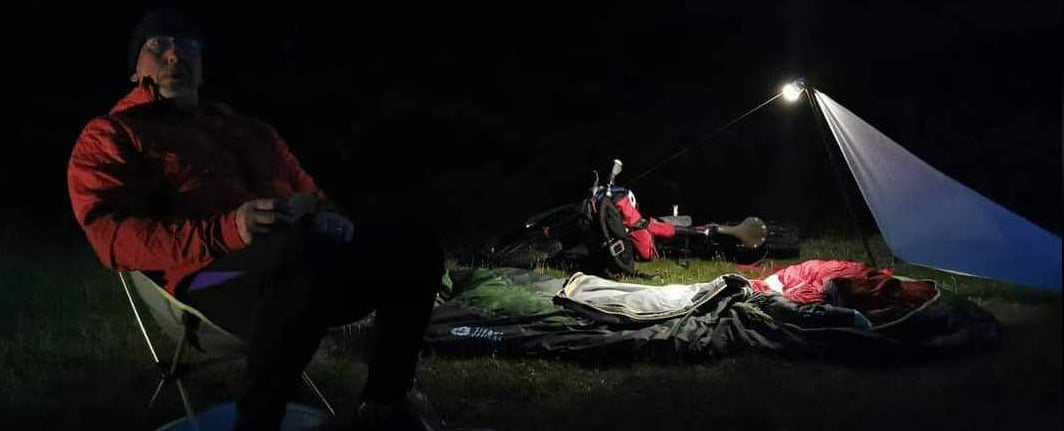
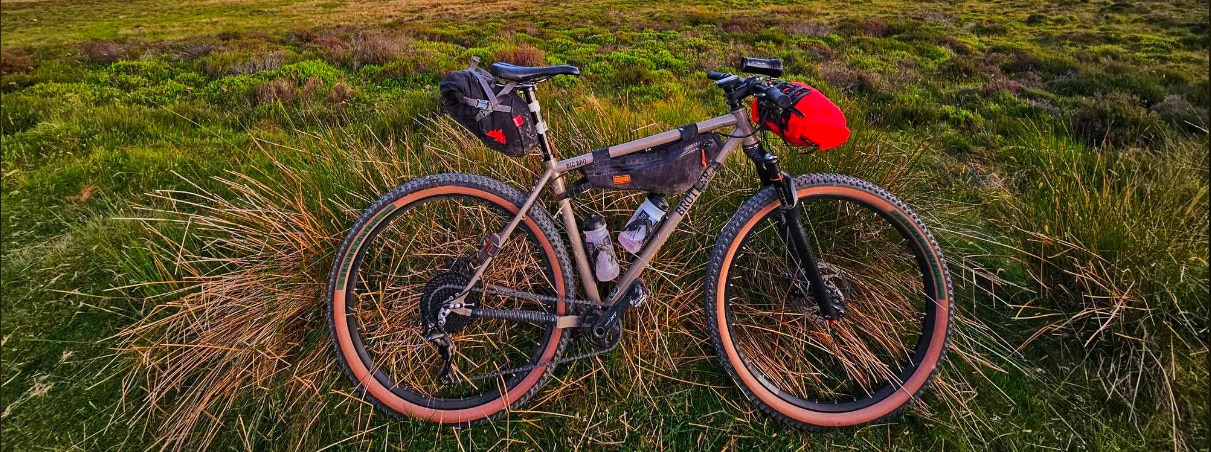
Bikepacking has become an increasingly popular adventure activity, combining the thrill of cycling with the freedom of self-supported travel. It involves traveling long distances on a bicycle, usually over multiple days and across different terrains, while carrying all necessary gear and supplies. This allows bikers to explore remote areas that are inaccessible by car, and experience the great outdoors in a unique way.

But what really sets bikepacking apart from traditional cycling or backpacking is the concept of wilder camping. This means choosing to camp in non-designated areas, such as a Nearly Wild Camping location. While this may sound intimidating at first, it can actually be one of the most rewarding aspects of bikepacking. In this guide, we’ll cover everything you need to know about wilder camping while bikepacking.

What is Wilder Camping?

Wilder camping, also known as Nearly Wild Camping in England and Wales, allows you to experience the natural environment without any man-made structures or with limited facilities. This can include setting up a tent in the woods, sleeping under the stars, or even finding shelter in an open field.

Many bikepackers prefer wilder camping because it offers greater flexibility and immersion in nature. You can choose your own camp location based on personal preferences, such as proximity to water sources or scenic views. Plus, you have more freedom to spontaneously change your route or stay longer in a particular location without being moved on.

Tips for Wild Camping During Bikepacking

While wild camping offers many benefits, it also comes with its own set of challenges. Here are some tips to ensure a safe and enjoyable experience:

  • Leave No Trace: When wilder camping, it’s crucial to leave no trace of your presence. This means properly disposing of all waste and leaving the area as you found it. Pack out everything you pack in, including food scraps and toilet paper.
  • Be Discreet: One of the key principles of wilder camping is to be discreet. Avoid setting up camp in highly visible areas or on private property. Keep noise to a minimum and avoid making large fires. Much better to get permission to camp from the landowner via the Nearly Wild Camping Club.
  • Set Up Camp Late and Leave Early: When wild camping, it’s best to set up camp late in the day and leave early in the morning. This way, you’re less likely to encounter any issues with landowners or other campers. But if you have permission to camp at a location this needn’t be the case.
  • Camp Away from Water Sources: While being near a water source may seem convenient, it’s important to set up camp at least 200 feet away. This helps preserve the water source and prevents contamination.

Essential Gear for Wilder Camping While Bikepacking

When bikepacking, you want to pack as light as possible while still being prepared for any situation. Here are some essential items to bring for wild camping:

    • Shelter: The most common form of shelter for bikepackers is a lightweight tent, but you can also use a bivy bag or hammock.

    • Sleeping Gear: A sleeping bag and sleeping pad are crucial for keeping you warm and comfortable at night. Consider the weather conditions of your destination when choosing these items.

    • Cooking Gear: A lightweight camping stove and cookware are essential for preparing meals during your trip. Don’t forget to pack utensils, a water filter, and fuel as well.

    • Navigation Tools: A map, compass, and GPS device are important for navigating through unfamiliar terrain. Make sure to bring extra batteries or a solar charger as well.

    • First Aid Kit: It’s always better to be safe than sorry, so make sure to bring a well-stocked first aid kit for any injuries that may occur.

The use of E-bikes for Bikepacking trips

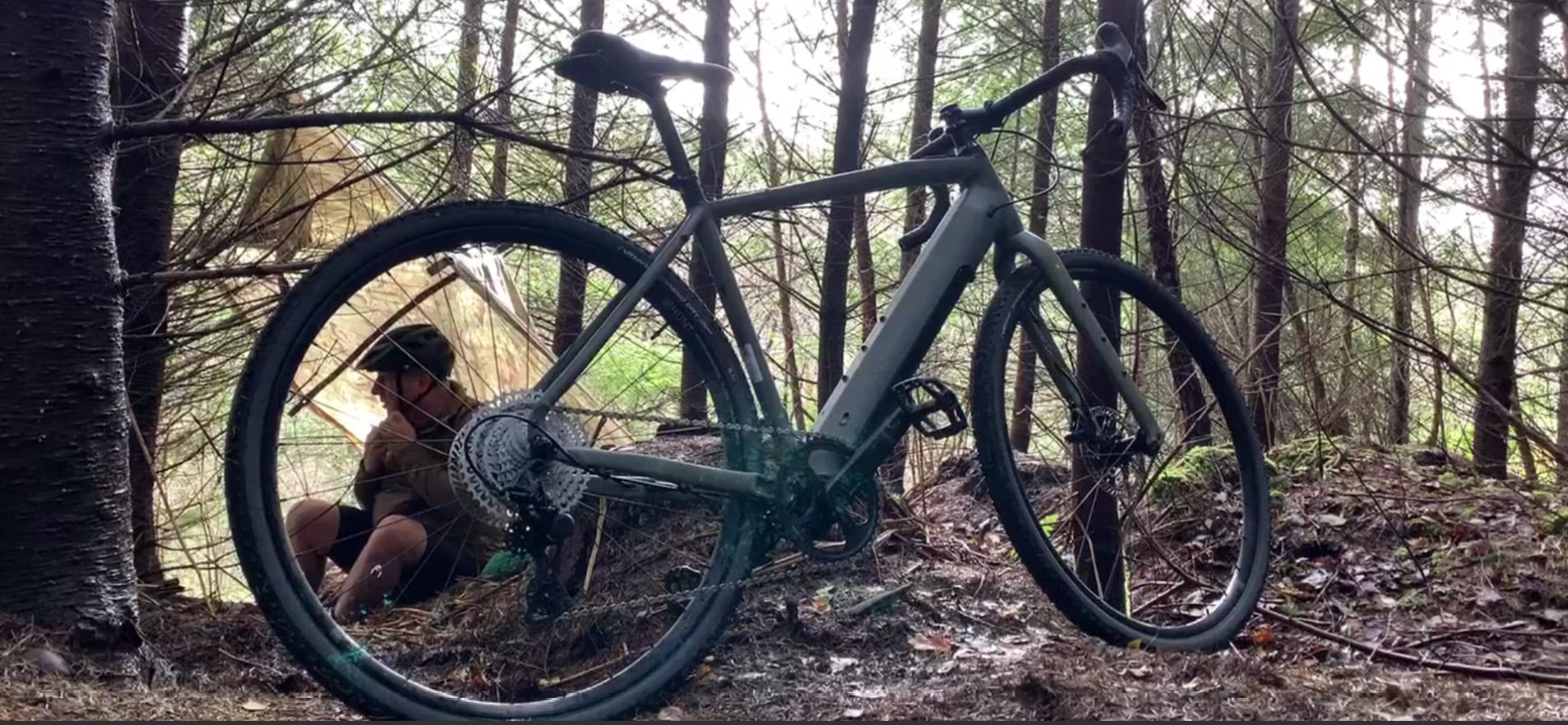
Due to carrying all your camping equipment when bikepacking your bike is going to be much heavier than usual and therefore harder to pedal. Unless you are really fit you might find it almost impossible to travel any great distance and that might mean you will not reach your planned destination. This is where electric-assisted bikes come into their own. They make travelling longer distances much easier and make the hills seem less steep! You are much more likely to be able to travel from one camping location to another with an E-bike. Recent developments mean battery weight has reduced and they now last longer on a full charge. E-bikes make travelling by bike more enjoyable and allow you to get more miles in without worrying about arriving at your camp exhausted and too tired to setup camp for the night. Above: Cairn E-Adventure Rambler

Conclusion

Wilder camping adds an element of adventure and freedom to bikepacking. With the right planning and preparation, it can be a truly rewarding experience. Just remember to follow local laws and regulations, leave no trace, and be respectful of the natural environment. So grab your bike and gear, and get ready to embark on an unforgettable journey through the great outdoors! Go ahead and explore the world on two wheels, and discover the beauty of wild camping during your next bike packing trip. Happy bikepacking…!

Jackie was a young girl who always wanted to go wild camping but her mum was scared to do it. After lots of pestering and with a bit of research her mum found  a solution that she was much happier to try. Jackie was so excited when her mum said that they could go Nearly Wild Camping. Jackie was happy to see that her mum was finally willing to try out something  a bit more adventurous than going to a campsite full of people, noise and cars moving back and forth.

They packed up the car and set off for their camping location. It was a beautiful spot in the woods, and Jackie was excited to get started. They set up their tent, lit a fire in the fire pit provided and started cooking dinner. Jackie loved being outside and she was having a great time.

After dinner, they sat around the campfire telling stories and roasting marshmallows. Jackie felt like she was really getting to know her mum and they were having a lot of fun. As evening drew in they saw a deer in the distance and could hear the bird song settling down for the night. Jackie was so glad that her mum had finally given Nearly Wild Camping a try. Maybe next time they could try out an even wilder location using the Wildness Rating to judge which ones  would be most suitable for them…

https://nearlywildcamping.org/nearly-wild-rating/