The three main considerations when choosing a tent for wilder camping are weight, pack size and price. Other considerations are how often you will use the tent, how many people and kit will it need to accommodate and in what season/s are you planning to use it.
Generally if you are backpacking you are going to need to spend a bit more to get a higher spec. tent that weighs less and will pack down smaller. Having said that there are plenty of people who just buy the cheapest they can find knowing that they only intend to spend a few nights out in the middle of summer in fine weather. If your tent comes with basic steel pegs you may want to get some lightweight alloy ones to reduce weight.
If you are likely to be out during times when it rains then you might consider a tent with a porch for cooking in and sitting out of the rain. There are many different types on the market but the bigger the porch, the heavier they tend to be overall. Make sure it is well ventilated if cooking inside, better still use a stick (or similar) to hold the door at least part way open. On some tents without a porch supporting the door can provide just enough of a covered space to improvise a sheltered cooking area.
Lightweight, small tents tend to be in the 1.5 – 4kg range. Heavier/larger tents can be split between the number of people in your group. So in a group of 3 with a 5kg tent, person 1 carries the inner tent and poles, person 2 the outer tent and person three the pegs and groundsheet – each carrying less than 2kg. Alternatively a person on their own may carry a 1 person tent (say 1.8kg) and a small tarp/groundsheet (400g) to improvise a porch space.
If weight is your primary concern you should also consider the weight of the rest of your kit as well eg. backpack, sleeping bag, cooking kit, food/water – basically everything you will be carrying and the clothes you will be wearing. You may find you can save weight in one area that would allow you to add some in another, maybe a thicker sleep mat for a better night’s sleep because instead of a pillow you could use a small drybag stuffed with your jacket. Another compromise could be using a narrower but taller tent that you can sit up in but most of your kit has to remain outside under a waterproof backpack cover.
If price is an issue you may want to think about purchasing a well known brand because there will be more chance of selling it on after your adventures via the likes of ebay. In fact you may even want to consider buying a used tent to start with, that way you could get pretty much all of your money back if you later sell it.
As with all kit I would suggest you test it and get familiar with it locally before taking it on more serious adventures…


Taking a solo camping trip can be an exhilarating and rewarding experience. The fresh air, the natural beauty, and the feeling of independence can be a perfect escape from the hustle and bustle of everyday life. If you’ve never been wild camping before, though, it can be intimidating to take that first step into the unknown. Here are some tips to help make your first solo wild camping experience in the UK a safe and enjoyable one:

Pack Wisely
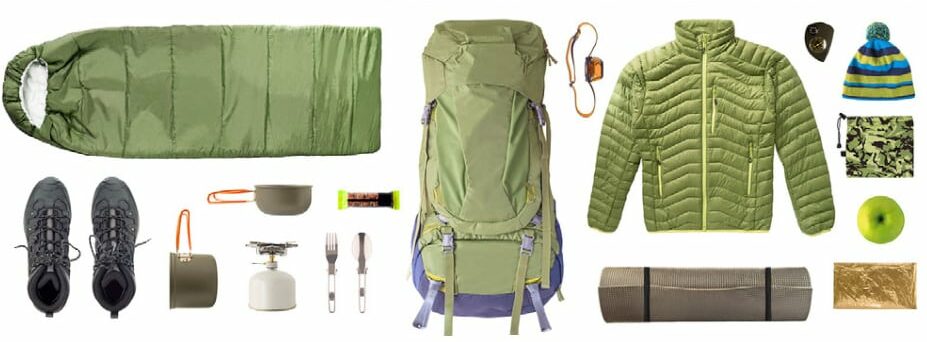
The key to successful wild camping is packing wisely. It’s important to bring everything you need – including food and water – and not overpack. Be sure to bring a good sleeping bag and mat so you’ll stay warm on chilly nights; if you plan on pitching a tent, make sure you bring all necessary poles, pegs, and other equipment too. Also consider bringing a gas stove so you can cook meals while out in nature. A small charge bank is also useful for keeping your phone charged while you’re away from home.
Speak with others who have wild camped alone and survived to tell the tale! Fear of the unknown can be quite off-putting – but don’t let it get to you. The UK is one of the safest parts of the world when it comes to wildlife encounters, almost everything will be scared of you. You may hear some twigs snap in the night but you will be lucky to see what caused it.
Be Aware of Your Surroundings
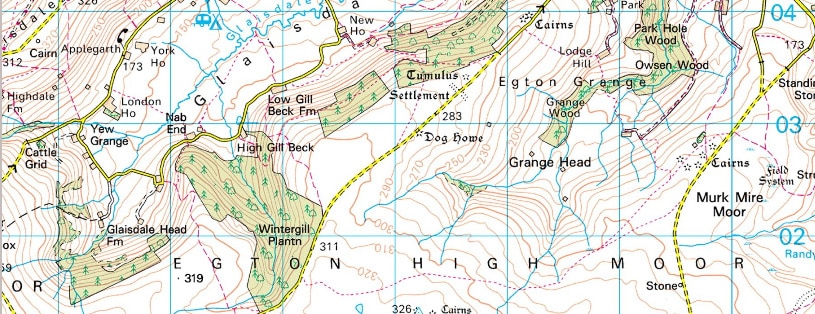
When planning your trip, do some research about where you’re going and what kind of terrain to expect. Are there any unusual animals or plants in the area? Are there any potential hazards like cliffs or uneven ground that could cause injury? Knowing what dangers exist can help keep you safe during your journey. A detailed Ordnance Survey map can be really useful for this. Additionally, always tell someone where you will be going before heading out on your adventure – this way if something goes wrong, someone will know how and where to find you quickly.
Bring a First Aid Kit
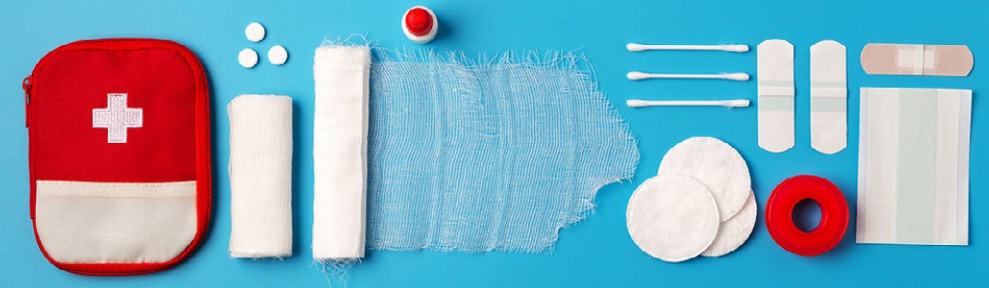
No matter where you go or what activity you are doing, it is always wise to bring along a well-stocked first aid kit just in case anything happens while out in nature. Include items such as bandages, antiseptic ointment, painkillers and antihistamines – these should cover most minor injuries that may occur while camping outdoors alone. Additionally, it may be wise to learn basic wilderness first aid so that you know how to handle more severe emergencies should they arise while out in nature.
Conclusion: With these tips under your belt, it’s time for adventure! If this is your first time wild camping alone in the UK remember to stay aware of your surroundings at all times, pack wisely for any contingencies that may arise during your trip and bring along a well-stocked first aid kit just in case something does go wrong! With preparation and mindfulness of safety protocols set up before embarking upon an adventure such as this one – great memories await! So get ready for an incredible experience…


5 ways to light a fire when camping
It’s always advisable to have more than one way to light a fire when camping. Things can go wrong, get wet or be difficult to find in your rucksack pockets. You need to practice some of the methods before waiting until it’s dark and you’re cold. The bow drill method will keep you warm even if you are not successful at making fire!
1 – Flint (magnesium) and striker (iron) spark into cotton wool
2 – Matches – super easy if you have some tinder/paper and not too much wind
3 – Using a magnifying glass – requires plenty of sunshine so only works in daytime!
4 – A gas lighter – low cost, reliable and great as a backup, check it’s not almost empty
5 – By far the most rewarding is the bow drill method, it takes time, effort and patience
Once your fire is lit that’s not the end of it…..if not managed it will soon go out. The best way to establish a good burn is to waft the base to get more oxygen in there. You can use a sit-mat or piece of cardboard but if you don’t have anything you can use your hand or just blow directly into the fire.

There’s nothing worse than getting cold when camping. It’s much better to prevent the chills than get cold and have to find ways to get warm again. Below are some tried and tested ways to keep warm when camping:
Its summer and with the many lockdown restrictions still in place for going abroad a lot of people have decided to holiday at home in the UK, so why not try wild camping?
With this comes the problem of deciding what you actually want to do, and the many different options available to suit many budgets, where to start. But this can easily begin at under £200
For many people the thought of wild camping is off putting because inevitably where do you start? What kit is good? What kit is the best? What kit isn’t going to leave you cold and wet and let you have a really good time!
The reality is with all kit you have to start somewhere. If you haven’t ever wild camped before then preparing for it can become a little daunting. Here at Bean Camping we are on a mission to include all aspects of the outdoors – we absolutely love it – that’s why we want to share with you a basic kit guide to get you in the outdoors! Be aware that the most expensive items don’t always guarantee a dry, warm & comfortable night.
Tent
OEX Phoxx 1v2 – There are a myriad of different types and set ups, but for an absolute beginner, I would recommend the OEX phoxx 1v2. Its light weighing in at just 1.6kg– and pitched in the right place will hold out against many a bad storm. For around £55 you can’t get much better for the price point – it’ll go up against many an expensive tent as do itself proud against the top guns.

Rucksack
Eurohike nepal 65 – for £30 this rucksack will pack all you need for a few days away. Its 1.4kg weight doesn’t make it too heavy for the overall pack weight, and has a few configurations and that all important waist support. It’ll go with you anywhere and everywhere!
Sleeping Bag
Vango Latitude Pro 300 – At £50 this is probably the cheapest I would spend on a bag to get started. It says 3-4 season however I would be tempted to use this only during 3, and that would also be with extra layers. Bags are the bane of many a wild camper and finding the right one for you will be a challenge – I must have gone through 5 bags before settling on a Alpkit pipe dream – however that isn’t to say I haven’t enjoyed every piece of kit Ive used up to now. Always check what the comfort rating is and add +5 – thats probably about as low as you would comfortably get a good nights sleep. Through the camping world, its pretty much agreed that the more you can spend on a bag, the better so our advice is take you budget – and double it! Don’t forget to test the bag if you can, they come in all shapes and sizes and consider if you are a side sleeper or lay flat for example. This all add to the dimensions and the really do make a difference out in the field.

Sleeping mat
Forclaz Trek 100 – For £15 this mat will do you just fine. Its light and folds down, doesn’t matter if it gets wet and you can use as a seat when you stop for a rest. I’m a relative newcomer to mats, mostly because I was happy to sleep on the floor however the thermal loss was getting too much as Ive got older so I too have a sleeping mat and recommend you take one too. If you really wanted the make the difference, the Thermarest NeoAir comes as a top end but highly recommended alternative. This is another area where you should spend as much as you can afford if you can, like the bag, waking up aching isn’t fun and other than being cold & wet (both can be avoided), it’s the number two reason why folks don’t return to the wild.

Cooking
MSR pocket rocket 2 – for £26 you cant get much better than this. It’s small, light and packs down to nothing. This gas burner will boil your brew water in just a few minutes. It takes screw in gas cartridges (while not refillable they are recyclable) and cost about £5. I don’t recommend the use of an open fire unless you have permission from the land owner or campsite! Alongside rubbish & litter, fire scar is right up there in the top reason why land owners object to wild camping – and you can understand why.

Utensils
TBS billycan cup for £17.95 – a knife, fork and spoon from home and a frying pan too. The billy can boil your water and sits perfectly on the MSR pocket rocket. The gas canister will fit inside it to help keep your pack organised!

Now, if you’ve got this far, this kit list will be approximately £200 pounds get will get you on a regular campsite or out into the wild. If you want a real adventure then join the Nearly Wild Camping Club and experience wild camping with the security of the land owners’ permission and the odd luxury along the way, such as fresh clean water (in most instances!). Remember, you’re kit is never definitive and will always change to suit places, environment and budgets along the journey..
For honourable mentions and additions to kit, you might consider some thermal leggings for those cooler nights and a first aid kit. Also worth noting is a map! If you do plan to set up base somewhere or walk and hike, its best to have a paper map, research and plot your route out before hand! Don’t forget to notify others of your plans, just in case.
So there we are, a basic kit and budget to get you into the outdoors whether thats for just one night or for several. This kit will see you through until such time you upgrade and re-invest in various items. Above all, just get outside and have fun. All the best – Ben.
beancampingpodcast – Two guys & a UK Podcast about the love of all things outdoors!