Wild Camping Family Adventures in the UK with Nearly Wild Camping
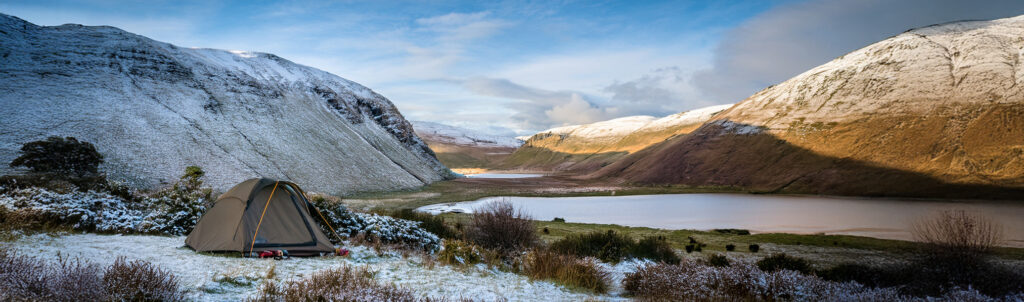
There’s something magical about sleeping under the stars with your family, surrounded by nature’s symphony of rustling leaves and distant wildlife. Wild camping offers an escape from the digital world and a chance to reconnect with both nature and each other. However, finding legal and safe spots for wild camping in the UK can be challenging – which is where the Nearly Wild Camping directory becomes an invaluable resource for adventurous families.
What Makes Nearly Wild Camping Special?
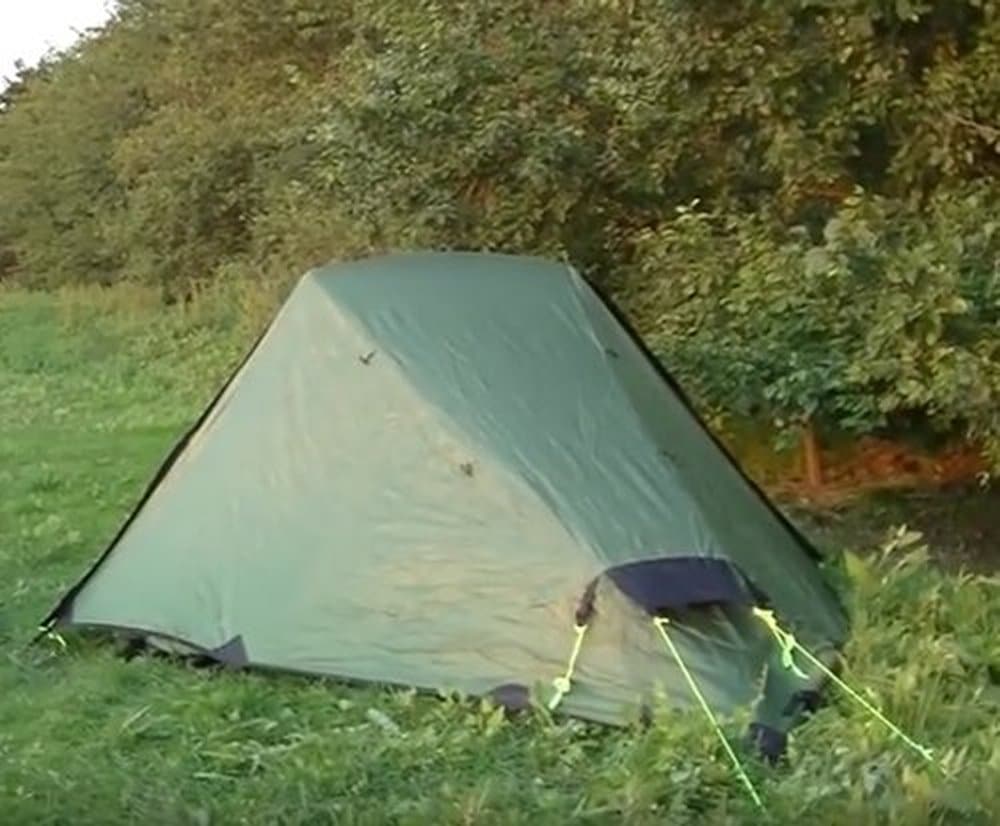
Nearly Wild Camping bridges the gap between traditional campsites and true wild camping. Their carefully curated directory features locations across the UK where landowners welcome campers for a small fee, typically ranging from just a few pounds per person per night. These aren’t your typical campsites with rows of caravans and electric hookups. Instead, they’re authentic wild spaces – meadows, woodlands, and hillsides – where families can pitch their tent and experience genuine outdoor adventure while respecting private land and supporting local communities.
The Family Adventure Begins
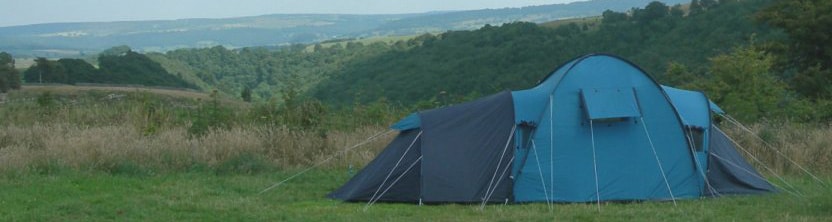
Imagine arriving at a secluded meadow in the Shropshire or a peaceful woodland clearing in Wales. Your children’s eyes light up as they realize there are no designated pitches, no crowds, and no rules about where exactly to set up camp. This freedom is empowering for kids and adults alike. They learn to assess the landscape, choose level ground, and consider wind direction – practical skills that build confidence and outdoor competence.
The small fee you pay goes directly to the landowner, creating a sustainable model that encourages more landowners to open their spaces to responsible campers. It’s a win-win situation: families gain access to stunning locations, and landowners receive fair compensation for sharing their property.
Creating Lasting Memories
Nearly Wild Camping experiences offer families unique opportunities for bonding. Without the distractions of facilities and entertainment, you’re free to create your own adventures. Spend the day exploring nearby trails, teaching children to identify plants and animal tracks, or simply playing games in the open air. As evening falls, gather around your campfire (where permitted), toast marshmallows, and share stories under a canopy of stars that’s impossible to see from urban areas.
These experiences teach children valuable lessons about environmental stewardship, self-reliance, and the importance of leaving no trace. They learn that adventure doesn’t require expensive theme parks or exotic destinations—it’s available right here in the UK’s beautiful countryside.
Getting Started
The Nearly Wild Camping directory makes planning your adventure straightforward. Browse locations by region, read descriptions and reviews from other families, and book your spot. Most locations offer basic facilities like composting toilets, but the emphasis is on simplicity and minimal impact.
Start with a single night if you’re new to wild camping, and choose a location close to home. Pack appropriately, bring weather-suitable gear, and prepare your children for a different kind of camping experience. The reward? Memories that will last a lifetime and a family tradition that grows richer with each adventure.
Wild camping with Nearly Wild Camping isn’t just about where you sleep – it’s about rediscovering the simple joy of being together in nature.
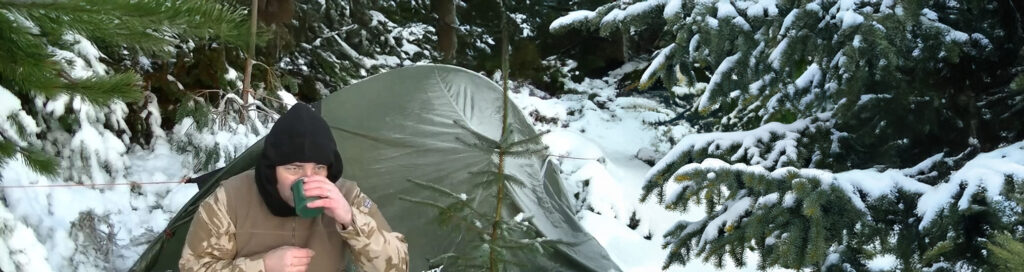
Wilder Winter camping in the UK strips the outdoors back to a quieter, more elemental experience. Frosted mornings, long starlit nights and an absence of summer crowds make it uniquely rewarding, but the season also demands respect: shorter daylight hours, colder temperatures and unpredictable weather change the rules of simple overnight trips into a serious, safety-first outing.
Planning and location
Choose locations with shelter and escape routes in mind. Lower valleys, sheltered copses and ridges with leeward pitches reduce wind exposure. Where access rules differ across the UK, always check local guidance and, where required, seek landowner permission. Aim for shorter approaches so you avoid hauling heavy loads over long distances in cold conditions.
Essential kit
Prioritise warmth and shelter. A robust three or four-season tent, an insulated sleeping mat with high R-value and a sleeping bag rated for temperatures lower than you expect are non-negotiable. Layering clothing is key: base, insulating and waterproof outer layers allow quick adjustment as you move between effort and rest. Carry spare gloves, socks and a warm hat stored separately to avoid dampness. A reliable stove and fuel suited to cold weather, plus a wind shield and sturdy cookware make hot food and drinks possible even in freezing conditions.
Campcraft and safety
Site carefully: avoid hollows where cold air pools and places exposed to avalanche risk in upland, snowy terrain. Pitch on durable surfaces to limit environmental impact and stabilise your tent with extra guy lines and buried anchors if needed. Manage condensation by ventilating the tent while minimising heat loss; keep wet kit outside in a waterproof bag. Stay fuel-aware and practice stove use outside the tent to avoid carbon monoxide risk.
Carry navigation tools and plan for limited daylight. Tell someone your route and expected return time and carry spare batteries and a power bank. In snowy or icy terrain, add micro-spikes and an ice axe or crampons as appropriate and know how to use them.
Leave no trace and mindset
Winter amplifies both the landscape’s beauty and its fragility. Pack out all waste, avoid disturbing wildlife, and keep noise and light to a minimum. Accept slower travel and simpler plans: wilder winter camping rewards patience and careful preparation more than pushing limits.
A well-prepared wilder winter camp delivers solitude, clarity and a deeper connection to place. With the right equipment, sensible planning and respect for weather and land, it can be one of the most memorable ways to experience the UK outdoors.
Elevate Your Outdoor Culinary Adventures with Quality Gear and Inspiring Ideas…
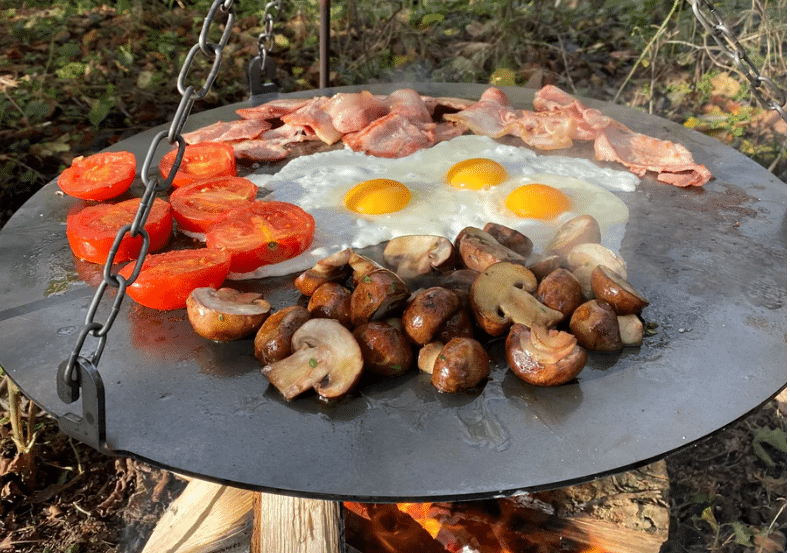
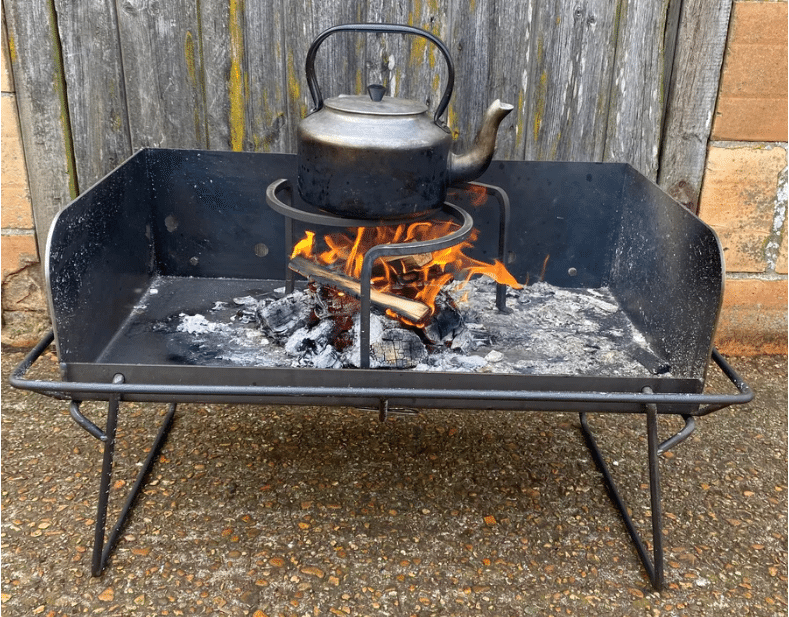
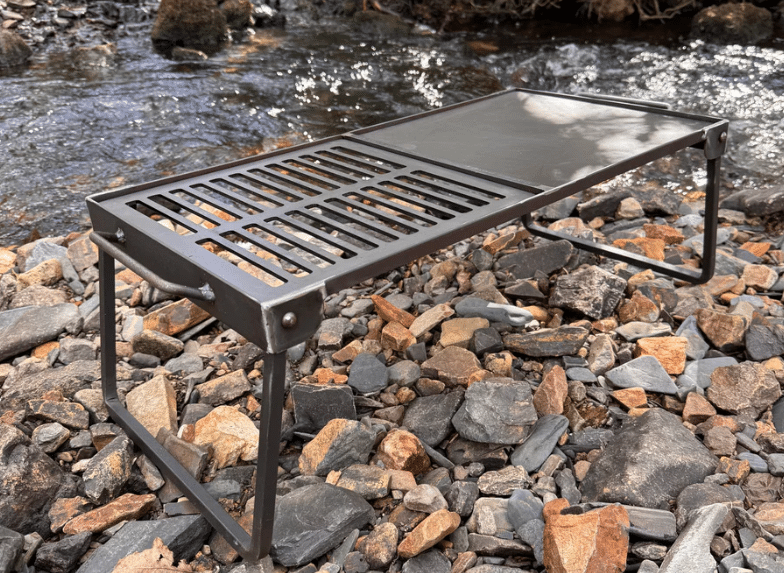
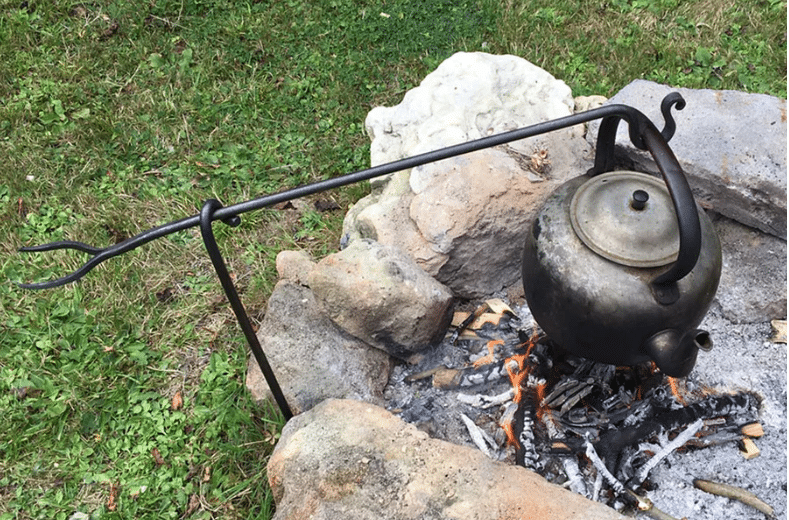
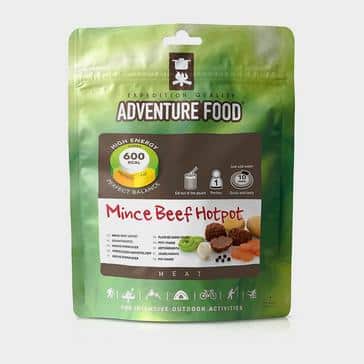
If you’re passionate about cooking in the great outdoors, Campfire Cookshop is a must-visit destination for all your alfresco culinary needs. Established with the aim of bringing together the best products and resources for outdoor cooking, Campfire Cookshop offers everything from robust cast iron cookware to innovative camp stoves, making it easier than ever to create delicious meals wherever your adventures take you.
Campfire Cookshop’s website is a treasure trove of inspiration for both seasoned outdoor chefs and those just getting started. Their curated selection includes skillets, fire pits, grills, and a host of clever accessories designed to make cooking outside as enjoyable and convenient as possible. Whether you’re planning a family camping trip or a solo bushcraft overnighter, you’ll find equipment to suit every scenario and budget.
Whether you’re a bushcraft enthusiast or simply enjoy a fireside meal under the stars, Campfire Cookshop is your companion for making every outdoor meal memorable. Visit their website and ignite your passion for campfire cooking today! www.campfirecookshop.com
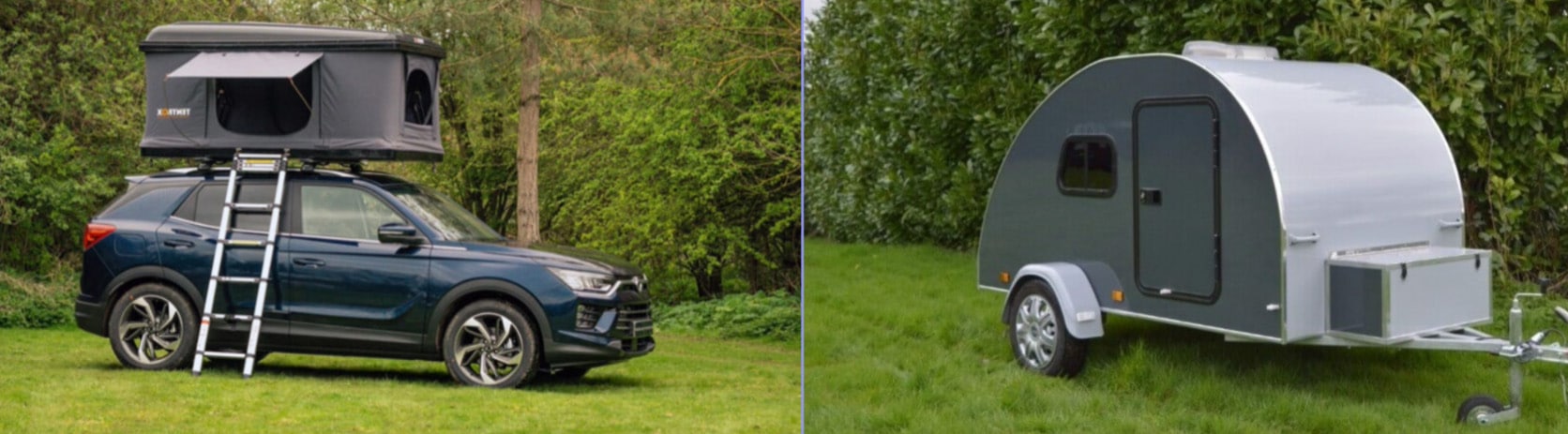
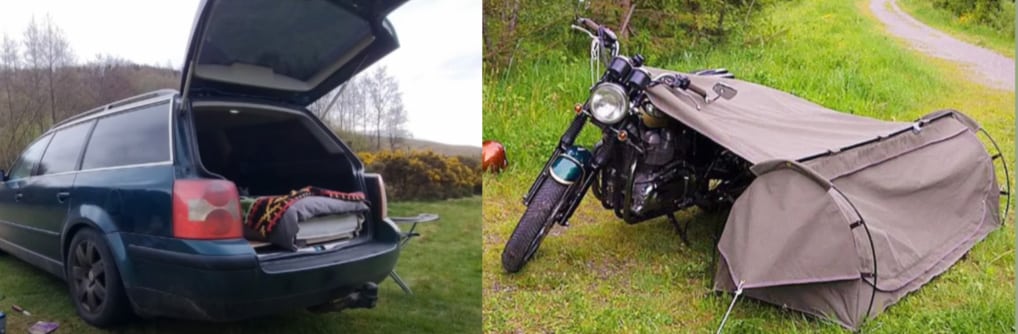
As an organisation we set out to support primarily ‘bring your own’ tent camping but quickly realised there was a demand for campervan and hammock-suitable wilder locations. In more recent years we have been approached by a lot more hybrid types of camping setups. Traditional campsites can be a bit snobbish and refuse these as they don’t fit a standard category.
One of the main reasons we don’t support motorhomes or caravans in general is that quite a few of the wilder locations have access issues – narrow lanes, sharp bends, soft undulating land, low hanging trees etc. So what we suggest is that the number of locations suitable for hybrid setups will be limited to what the landowner sees as suitable for their location – just ask when booking. If the directory listing states that you have to park 100m away from the camping area and wheelbarrow your kit to your pitch then that location is probably not a suitable location.
On the other hand if a location accepts campervans they are much more likely to accept a micro-caravan, trailer pod or similar – just confirm when booking. Amongst the setups some of our members have include roof tents, motorbikes, trailer tents, larger campervans and car campers.
Wild camping legality in the UK varies by location. Generally, it is legal in most of Scotland and Dartmoor National Park in England, while in the rest of England, Wales, and Northern Ireland, it requires landowner permission. Note – true wild camping means you are unlikely to have access to any facilities eg. a toilet or tap.
England:
Dartmoor National Park: Wild camping is permitted without landowner permission, but with certain restrictions like not in vehicles or large groups.
Other areas: Wild camping is generally illegal without landowner permission.
Lake District: While not officially designated for wild camping, the authorities are generally tolerant of responsible wild campers who follow “leave no trace” principles on higher ground – setup in the evening, pack away at dawn.
Wales:
Wild camping is generally illegal without landowner permission.
Brecon Beacons National Park: Some local farms and estates permit wild camping; it’s best to check with the park authority.
Snowdonia and Exmoor: Permission from landowners is generally required for wild camping.
Scotland:
Wild camping is generally permitted under the Land Reform (Scotland) Act 2003, which grants the public the right to be on most land for recreational purposes but not in vehicles or next to roads etc. Read the act for more detail.
Restrictions: There are some byelaws in place, particularly around Loch Lomond and Trossachs National Park, and on enclosed land.
Northern Ireland:
Wild camping generally requires landowner permission.
Important Considerations:
Leave No Trace: Regardless of location, always practice “leave no trace” principles to minimize your impact on the environment.
Respect: Be respectful of the environment and other people using the land.
Local Regulations: Always check for local byelaws or restrictions before camping, especially in National Parks.
Not quite ready to wild camp but want to experience something similar, with access to a basic toilet, a tap and a nearby parking place??
The Nearly Wild Camping Club offers this type of wilder camping – wild camping with permission (for a small fee):
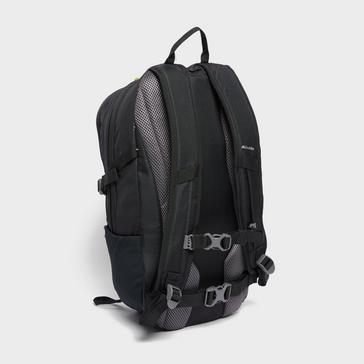
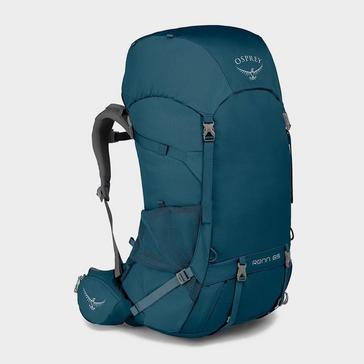
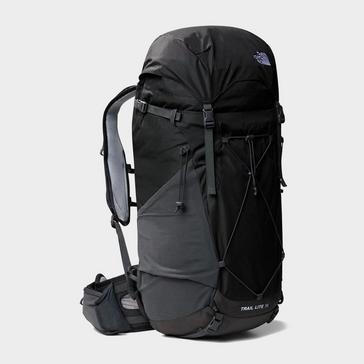
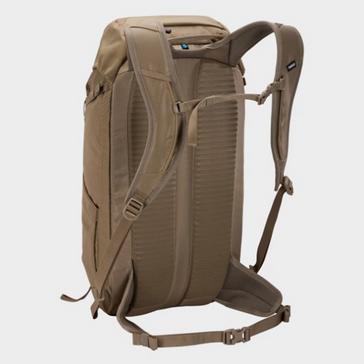
Choosing the right rucksack for wild camping in the UK is essential for comfort and practicality. The size you need depends on how long you’re camping, how much gear you carry, and your personal preferences.
Ideal Rucksack Sizes
For a one-night trip, a 40–50 litre rucksack is often sufficient. It allows space for a tent or bivvy, sleeping bag, cooking gear, and food, without being too bulky.
For multi-day trips, a 50–70 litre rucksack gives you the extra room needed for more supplies, extra clothing, and possibly a larger tent.
For extended treks (5+ days), a 70+ litre rucksack may be necessary. You’ll need enough space for extra food, additional layers, and possibly specialist equipment, depending on the terrain and weather conditions.
Packing Smart
Size isn’t the only factor—organization matters. Look for a rucksack with multiple compartments, external straps for bulky items, and adjustable back support for comfort.
A well-packed lightweight rucksack makes hiking easier. Distribute weight evenly, keep frequently used items accessible, and use dry bags to protect gear from the unpredictable UK weather.
Final Thoughts
Opting for the smallest practical size reduces weight and strain. Prioritize essentials, invest in compact gear, and test-pack before setting off. Whether you’re heading to the Lake District or the Scottish Highlands, the right rucksack will make your adventure far more enjoyable.
Time to gear up and explore the wilderness!
Woodland camping offers a refreshing escape from the chaos of modern life, immersing adventurers in the tranquility of towering trees, crisp air, and the soothing sounds of nature. Whether you’re an experienced camper or a novice yearning for a break from technology, spending time in the woods can be an enriching experience.
One of the most obvious benefits is the opportunity to disconnect from digital distractions. In the woods, the incessant hum of notifications fades away, allowing campers to embrace a slower pace and be present in the moment. This immersion in nature has been shown to reduce stress and anxiety, as the natural surroundings promote relaxation and mental clarity.
Physical health also reaps the rewards of woodland camping. Hiking through forest paths, collecting firewood, and setting up camp all engage the body in a way that traditional workouts often cannot. The fresh air is invigorating, and exposure to natural sunlight boosts vitamin D levels, enhancing overall well-being. Studies suggest that time spent outdoors can improve cardiovascular health and strengthen the immune system, making camping a holistic retreat for body and mind.
Beyond personal benefits, woodland camping fosters a deeper appreciation for the environment. Observing wildlife, learning to identify flora, and understanding ecological systems can spark a sense of stewardship. Many campers leave with a newfound respect for nature, often incorporating more sustainable practices into their daily lives.
Lastly, there is a unique camaraderie that comes with sharing a campsite under the stars. Whether gathered around a crackling fire or navigating paths together, woodland camping nurtures meaningful connections and unforgettable memories.
With its blend of adventure, wellness, and serenity, woodland camping is an experience that rejuvenates the soul and strengthens our bond with nature. So pack up, head into the woods, and embrace the wild!
Wild camping can be an exhilarating experience, especially when you decide to venture out alone for the first time. The thought of sleeping under the stars, surrounded by nature, can be both thrilling and intimidating. But fear not! With a little preparation and the right mindset, your first solo wilder camping trip can be a memorable adventure.
Preparing for Your Wild Camping Adventure
Before you head out, it’s essential to plan your trip meticulously. Start by choosing an accessible location that allows wild camping. Research the area, checking for any regulations and safety guidelines. Make a checklist of essential gear: a sturdy tent, sleeping bag, cooking equipment, and a first aid kit. Familiarise yourself with your equipment beforehand to ensure a smooth setup when you arrive. Practise setting up in your garden to make sure there are no missing parts and that everything works as it should.
Embracing the Wildness
Once you reach your destination, take a moment to soak in the beauty around you. Wilder camping allows you to connect with nature on a deeper level. Embrace the solitude; it can be a refreshing break from the hustle and bustle of daily life. While it’s natural to feel a bit anxious, remind yourself that you are in control of your environment. Trust your instincts, and don’t hesitate to explore the area during the day.
Safety First
Safety is paramount when wild camping alone. Always inform someone about your plans and expected return time. Keep a charged phone for emergencies, but also consider carrying a map and compass. Familiarize yourself with the local wildlife and take precautions to avoid encounters.
Conclusion
Your first solo wild camping experience can be a transformative journey. By preparing adequately and embracing the beauty of nature, you’ll discover a sense of freedom that comes with being out in the wild. So pack your gear, take a deep breath, and step into the great outdoors. You might just find that wild camping is the adventure you’ve been searching for!
We value your privacy
We use cookies to enhance your browsing experience, serve personalized content, and analyze our traffic. By clicking "Accept All", you consent to our use of cookies.
Cookie Settings
We use cookies to improve your experience on our site. You can choose which types of cookies to allow below.
Strictly Necessary Always Active
Essential cookies for website functionality and security.